- Established Est.1960
- Appellations AOP Saumur-Champigny, AOP Saumur and AOP Chinon
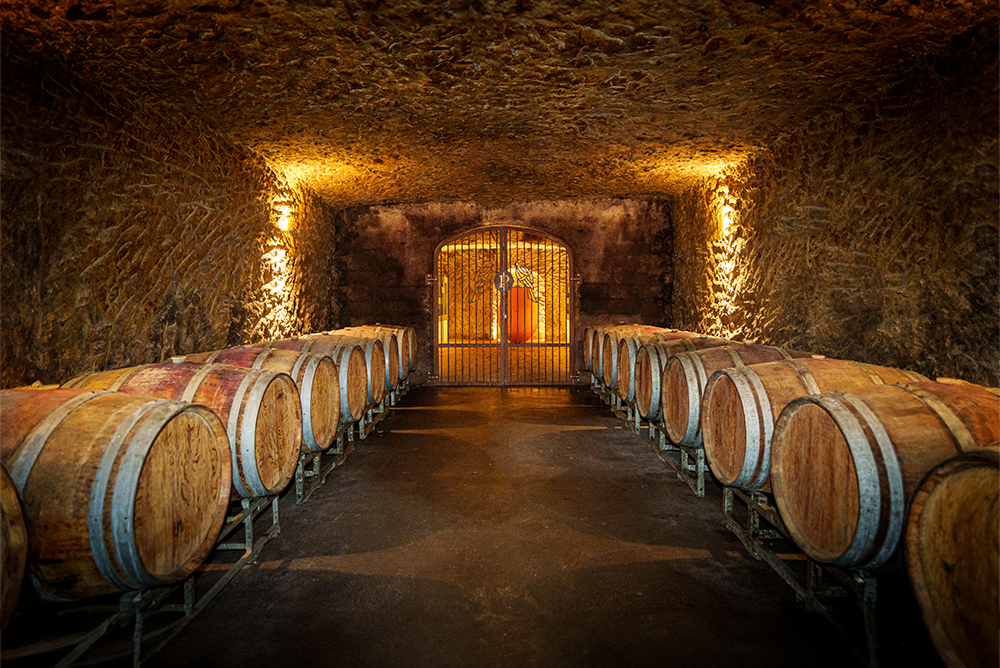
- Estate Behind the Red Door, a Cellar of Loire Treasures
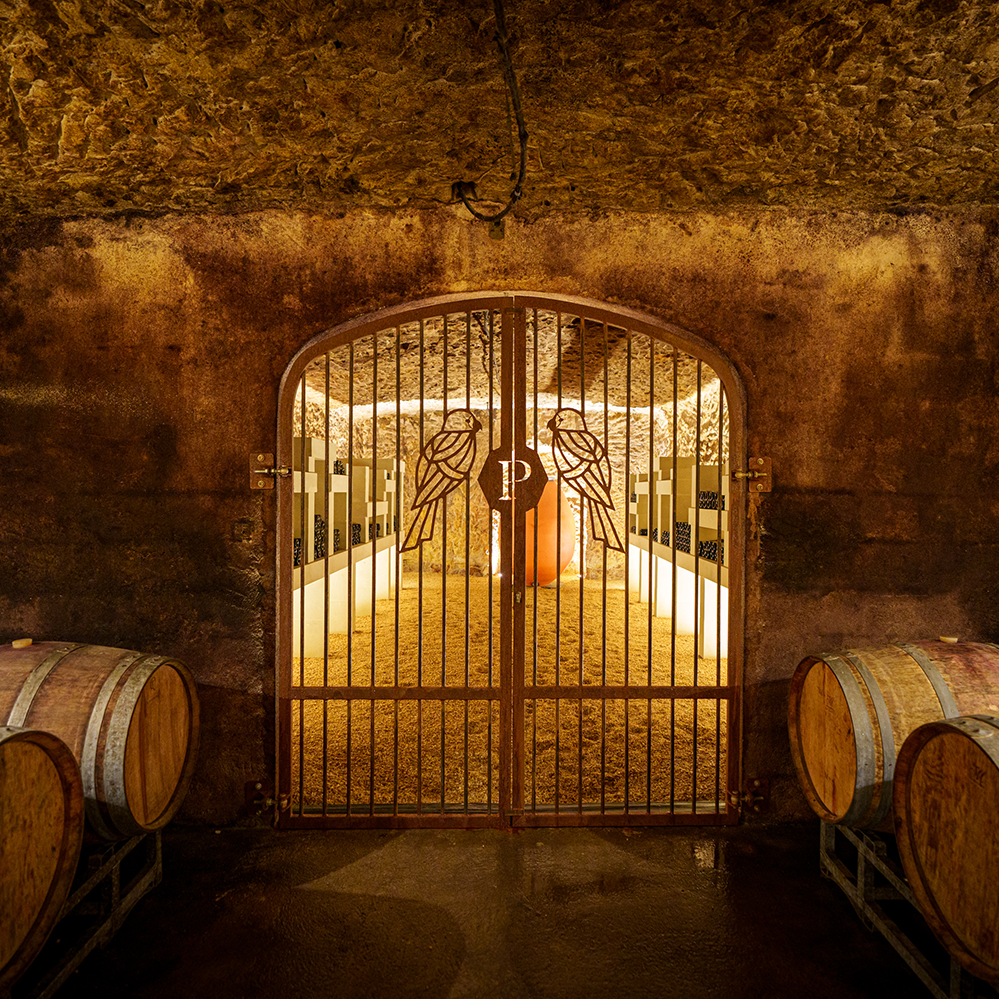
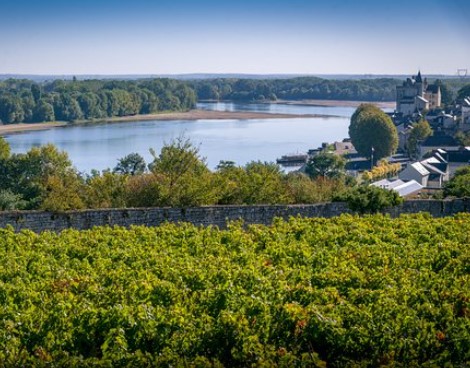
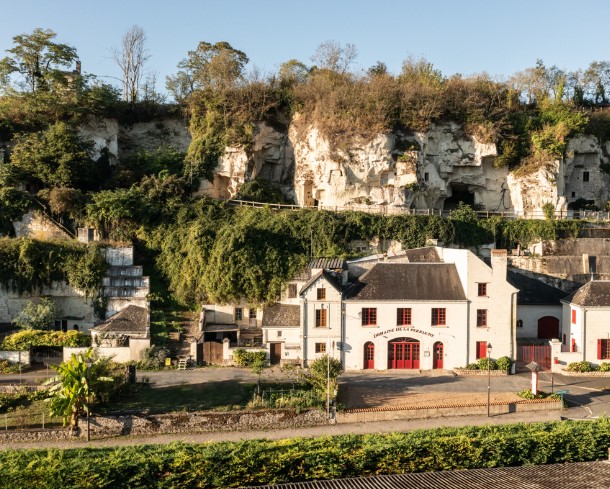
Some of the most memorable discoveries are the ones you never planned to make. We discovered Domaine La Perruche almost by chance during our time in the Loire, and there was something immediately charming about the estate. From its beautiful position overlooking the river to its chalky vineyards and atmospheric troglodytic cellars. Then we tasted the wines, and what had begun as a chance discovery became an estate we genuinely fell in love with and wanted to bring into the Maison Vintique collection.
History
Founded in the 1960s in the heart of the Saumur-Champigny appellation, Domaine La Perruche began with approximately 25 hectares and has grown to around 45 hectares. The estate combines modern vinification with historic troglodytic cellars and is certified HVE Level 3. The estate was acquired by Jacques Beaujeau in 2000 and subsequently by Ackerman in 2015. Today it forms part of the Ackerman / Orchidées Maisons de Vin portfolio while retaining a strong individual identity centred on Montsoreau, Cabernet Franc and the chalk terroirs overlooking the Loire.
Philosophy
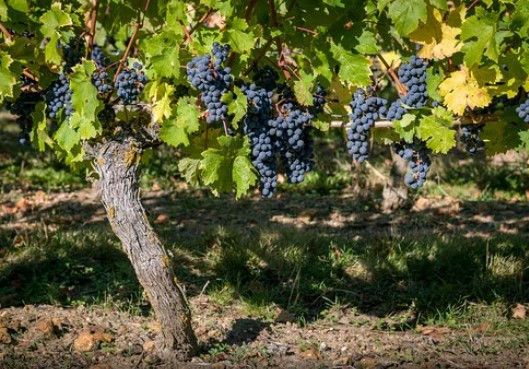
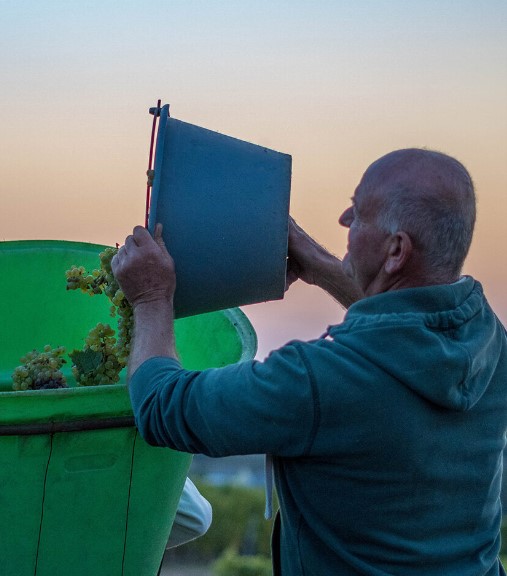
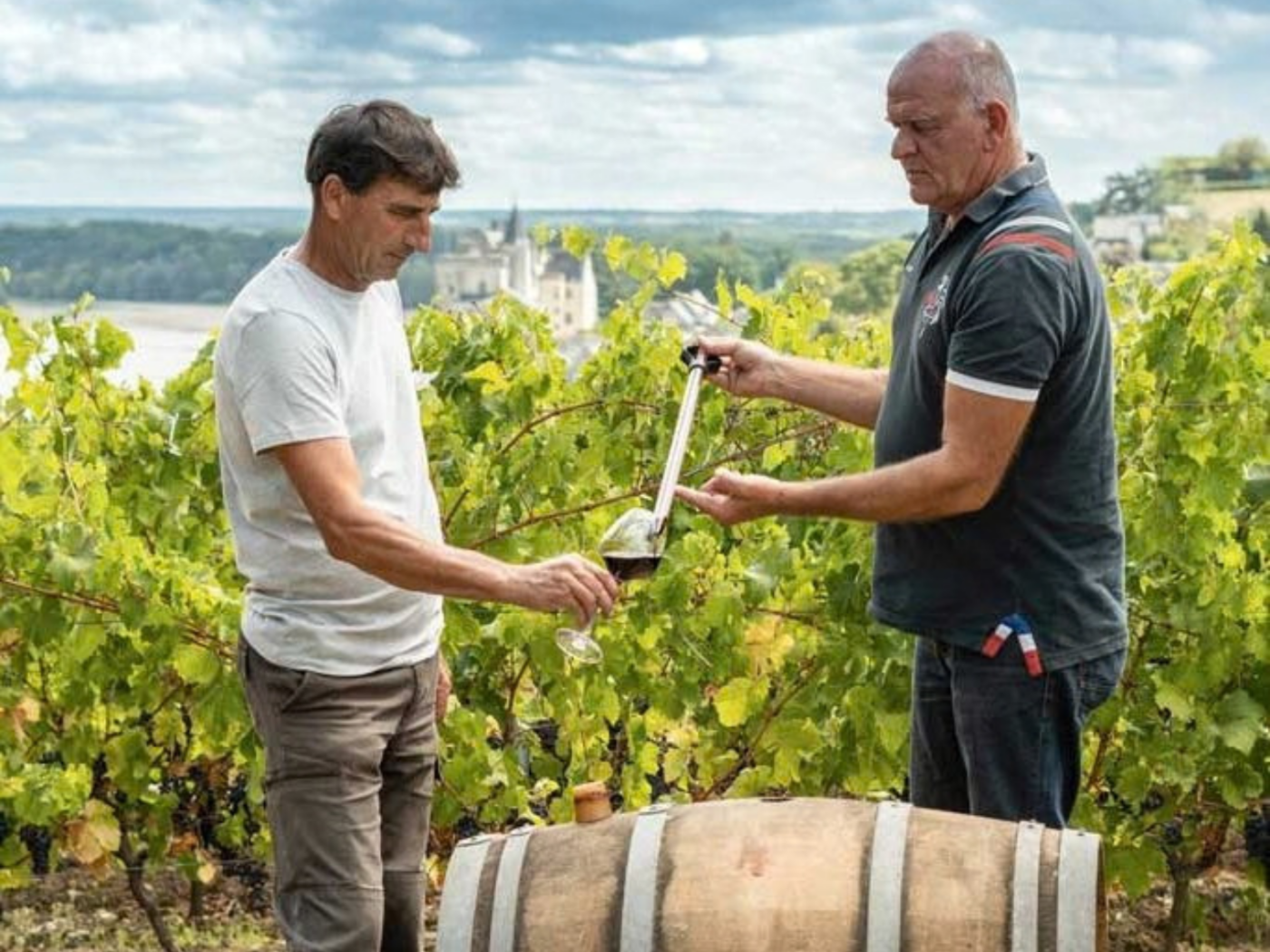
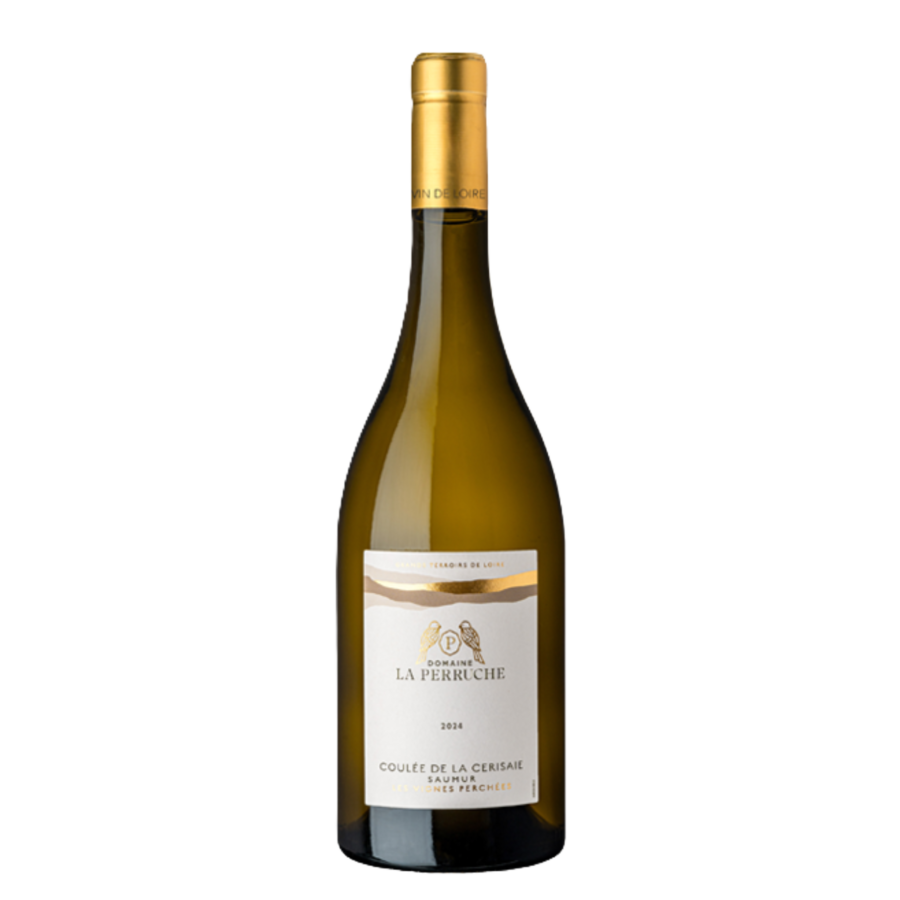
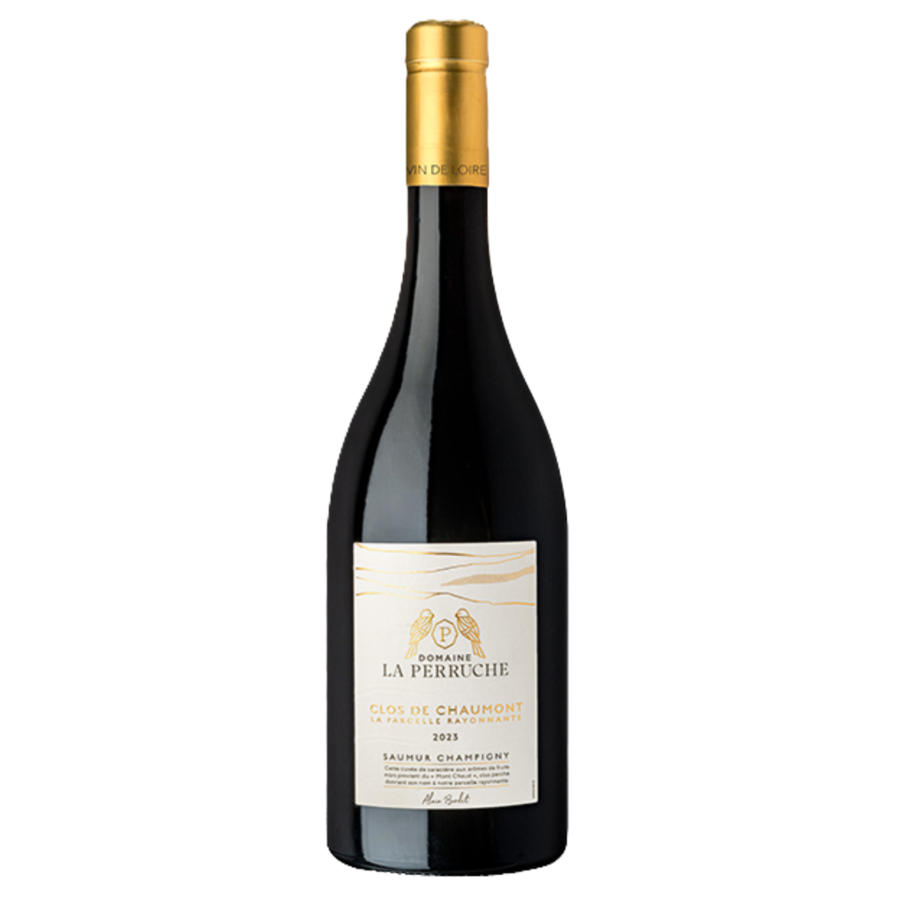
The estate focuses on expressing site and grape variety through precise Loire wines, with Cabernet Franc at the heart of its Saumur-Champigny identity and Chenin Blanc used for small volume, site-specific whites. Careful assessment of berry and seed maturity before harvest, sorting of fruit, temperature-controlled maceration for red wines, and élevage adapted to each cuvée. Parcel wines and distinctive ageing choices are used to emphasise terroir: examples include single-site Chenin cuvées and Clos de l’Église, a Saumur-Champigny aged in amphora. The estate also promotes hands-on, reasoned vineyard work including pruning, disbudding, training, harvesting and soil maintenance.
Terroir
The estate sits at Montsoreau on well-exposed slopes and plateaux above the Loire. Its defining geology combines chalky tuffeau limestone with siliceous stones locally called “perruches”. The vineyard is described as being divided between two principal groups of parcels: one plateau overlooking the Loire, where altitude helps limit spring-frost risk and improves summer sun exposure, and another plateau with a stonier profile and different exposure. The Loire’s local humidity and the elevation also influence the mesoclimate. Below the vines, the modern vinification cellar faces historic troglodytic/tuffeau ageing caves cut into the hillside.
Sustainability
The entire vineyard is certified HVE Level 3 (Haute Valeur Environnementale). This recognises measurable environmental performance in biodiversity, fertilisation management, irrigation and plant-protection strategy. Estate communications also highlight lutte raisonnée, responsible vineyard management, reduced inputs, biodiversity preservation, moderate sulphite use and restrained tractor use.
The estate